


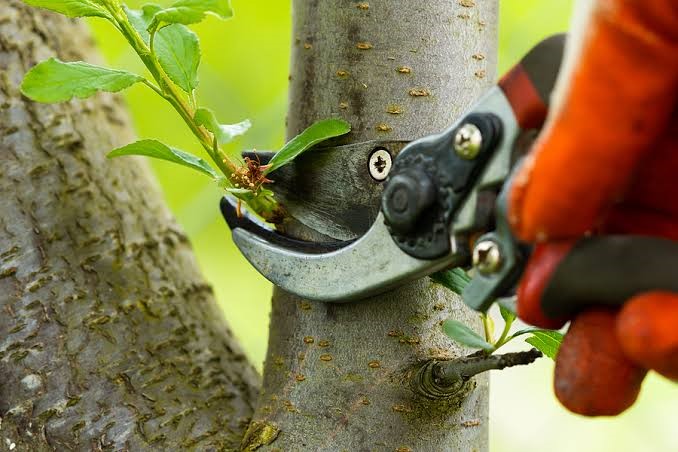
Tree pruning is an important part of maintaining healthy, safe, and attractive trees, but timing matters. In Austin, Texas, pruning schedules vary by tree species, condition, the type of pruning needed, and local environmental risks.
For many trees, you can plan routine structural and maintenance pruning during periods when the tree is under less stress. Oak trees require additional attention because of the risk of oak wilt, a serious fungal disease affecting susceptible oaks in Central Texas.
If you’re planning tree pruning in Austin, TX, understanding seasonal conditions and local tree-care requirements can help you make better decisions. Proper pruning can improve branch structure, reduce potential hazards, maintain clearance around buildings and walkways, and support long-term tree care.
Table of Contents
- What Is the Best Time for Tree Pruning in Austin, TX?
- When Is the Best Time for Tree Pruning in Austin, TX During the Year?
- Why Pruning Timing Matters for Austin Trees
- Oak Tree Pruning Requires Extra Attention in Austin
- Signs Your Tree May Need Pruning
- How Much Should You Prune?
- Common Tree Pruning Mistakes to Avoid
- How to Choose a Tree Pruning Professional in Austin
- Why Professional Tree Pruning Can Save You Money
- When Should You Call for Emergency Pruning?
- A Practical Austin Tree Pruning Schedule
- Frequently Asked Questions
- What is the best month to prune trees in Austin?
- Can oak trees be pruned in spring in Austin?
- How often should trees be pruned?
- Is tree pruning required for healthy trees?
- Can I prune a protected tree myself in Austin?
- What should I do if my tree is close to power lines?
- Is tree trimming the same as tree pruning?
- Final Thoughts
What Is the Best Time for Tree Pruning in Austin, TX?
There is no single best month for tree pruning in Austin TX, for every tree in Austin. The ideal timing depends on the species, tree health, pruning objective, and whether the work involves routine maintenance or an immediate safety concern.
For routine pruning, a professional may recommend working during a season that minimizes stress and allows the tree to respond appropriately. Dead, broken, or hazardous branches are different. If a damaged limb creates an immediate safety risk, waiting for an ideal pruning season may not be appropriate.
Oak trees are a particular concern in Austin. The City of Austin recommends avoiding unnecessary pruning or wounding of oaks from February 1 through June 30 when possible because oak-wilt risk is higher during this period. General, non-safety-related oak pruning is recommended before February 1 or after June 30.
When Is the Best Time for Tree Pruning in Austin, TX During the Year?
A seasonal approach can help Austin homeowners plan routine tree maintenance.
| Season | Tree Pruning Considerations |
| Winter | Often a practical period for structural and maintenance pruning, depending on the tree species and weather. |
| Spring | Use additional caution with oak trees. Avoid unnecessary oak pruning from February 1 through June 30 whenever possible. |
| Summer | July through January is generally the preferred lower-risk period for oak pruning in Austin. Other tree species may have different requirements. |
| Fall | Can be suitable for maintenance and structural work, depending on the tree species and condition. |
These are general guidelines, not a universal pruning calendar. Consider a tree’s species, age, health, structure, pruning history, and location before removing significant branches.
Why Pruning Timing Matters for Austin Trees
Austin trees face challenging environmental conditions, including high summer temperatures, drought, severe weather, and disease pressure. These factors can influence how a tree responds to pruning.
Pruning at an inappropriate time or removing too much live growth can place unnecessary stress on a tree. Poor pruning techniques may also contribute to weak regrowth, decay, structural defects, or an unnatural canopy.
Common reasons for pruning include:
- Removing dead, damaged, or diseased branches
- Improving branch structure
- Removing branches that rub against one another
- Maintaining clearance from buildings
- Improving visibility near driveways and walkways
- Reducing an immediate safety hazard
- Maintaining appropriate clearance from utilities
- Removing weak or poorly positioned branches
The goal should not simply be to remove as many branches as possible. Effective pruning preserves the tree’s natural form while addressing a specific structural, safety, or maintenance need.
Oak Tree Pruning Requires Extra Attention in Austin
Oak wilt is one of the most important tree-health concerns for homeowners in Central Texas. A fungus causes the disease, and it can spread through interconnected root systems and insects that carry fungal spores to fresh wounds on susceptible oak trees.
Because fresh wounds can provide an entry point for oak wilt, homeowners should avoid unnecessary pruning or other wounding of oaks during the higher-risk period from February 1 through June 30.
The City of Austin recommends that routine oak pruning for general tree health, non-safety-related clearance, or thinning be performed before February 1 or after June 30.
When oak pruning is necessary, take appropriate precautions. City guidance recommends painting fresh oak pruning wounds immediately after pruning and cleaning pruning equipment between trees.
Emergency and safety situations are different. A hazardous branch may need immediate attention regardless of the normal seasonal window. In these situations, safety should take priority while following appropriate oak-wilt prevention practices.
Signs Your Tree May Need Pruning
Not every tree needs a heavy annual pruning. Instead, homeowners should watch for specific signs that indicate a professional assessment may be worthwhile.
Consider having a tree evaluated if you notice:
- Dead or hanging branches
- Broken limbs following a storm
- Branches rubbing against one another
- Limbs touching a roof or structure
- Low branches blocking visibility
- Excessive growth around walkways
- Weak or poorly attached branches
- Branches growing toward utility lines
- Cracks, cavities, or visible decay
- A noticeably unbalanced canopy
Branches close to electrical lines present an additional safety concern. Austin guidance states that homeowners should never prune within 10 feet of power lines. Handle work near electrical infrastructure through the appropriate utility or qualified professionals.
How Much Should You Prune?
More pruning does not necessarily mean better pruning. Removing too much live canopy can stress a tree and affect its structure. The appropriate amount depends on the species, age, health, branch structure, previous pruning, and reason for the work. Homeowners should also be aware that Austin regulates certain trees. On residential property, trees measuring 19 inches or more in diameter at 4.5 feet above the ground are generally protected under Austin’s tree regulations. The City states that you may need a Tree Ordinance Review Application when removing a regulated tree, pruning 25% or more of its canopy, or undertaking other activities that affect the tree or its critical root zone. Before major pruning, check the City of Austin’s current requirements for the property and tree involved.
Common Tree Pruning Mistakes to Avoid
1. Topping the Tree
Tree topping removes large portions of the canopy and can encourage weak, rapidly growing shoots. It can also destroy the tree’s natural structure and appearance.
Proper pruning should focus on selective branch removal rather than indiscriminate cutting.
2. Removing Too Much at Once
Heavy pruning can place unnecessary stress on a tree. A professional assessment can help determine which branches are appropriate to remove and which should remain.
3. Making Improper Cuts
Make pruning cuts carefully to protect the branch collar and reduce unnecessary injury. Cutting too close to the trunk or leaving large stubs can create additional problems.
4. Ignoring Tree Species
Different species have different growth patterns and pruning requirements. A pruning approach that works for one tree may not be appropriate for another.
Oak trees in Austin require special attention because of oak-wilt prevention requirements.
5. Pruning Near Power Lines
Branches growing close to electrical lines can create serious safety risks. Homeowners should not attempt this work themselves.
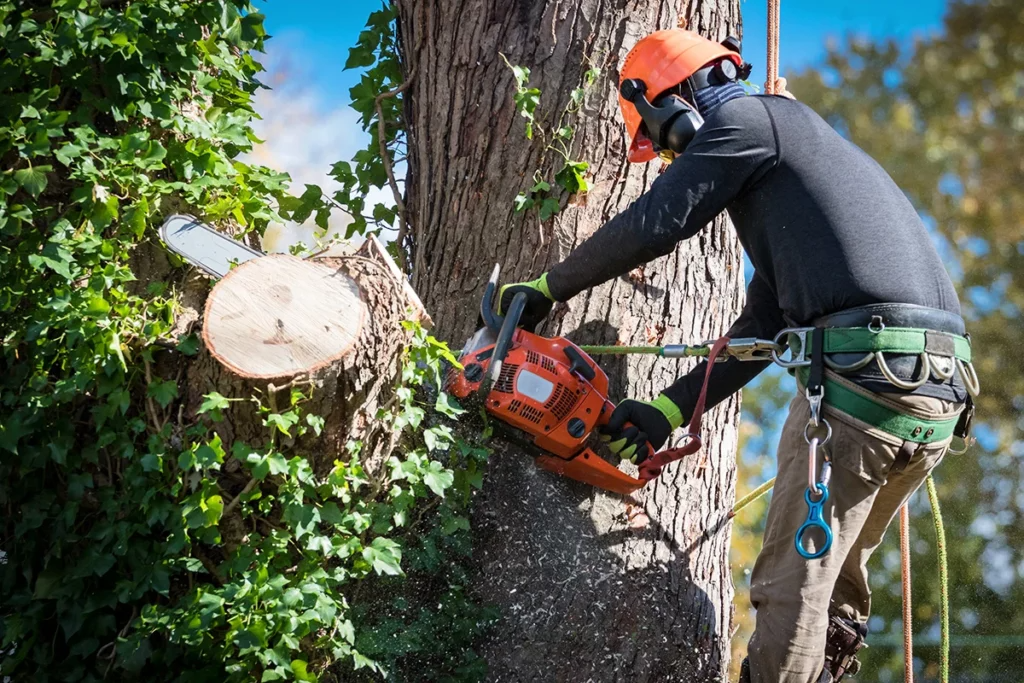
How to Choose a Tree Pruning Professional in Austin
When searching for tree pruning near you, don’t make price the only factor you consider. A reliable provider should be able to explain what your tree needs, why specific branches should be removed, and when the work should be performed.
Before hiring a tree-care provider, consider asking:
- Are you experienced with Austin-area tree species?
- Can you explain the reason for each recommended cut?
- Do you understand local oak-wilt prevention practices?
- Are you familiar with Austin’s tree regulations?
- Do you carry appropriate insurance?
- How will you protect nearby buildings, landscaping, and other property?
- Can you identify potentially hazardous branches?
- Do you avoid topping and unnecessary canopy removal?
- How will pruning debris be handled after the work?
- Can you explain whether any permits or reviews may apply?
A knowledgeable provider should focus on long-term tree health, structural safety, and appropriate pruning techniques, not just removing branches.
Why Professional Tree Pruning Can Save You Money
Homeowners often search for affordable tree service in Austin, but the lowest estimate is not always the best value. A professional quote should clearly explain the proposed scope of work, the branches or sections of the canopy that will be addressed, debris handling, and any additional services that may be necessary.
Preventive pruning can also help homeowners address developing problems before they become larger issues. Removing weak, crossing, or hazardous branches at the right time may reduce the risk of branch failure and property damage during severe weather. The goal is not to prune more often. It is to perform the right pruning at the right time for the right reason.
When Should You Call for Emergency Pruning?
Seasonal timing matters for routine maintenance, but you shouldn’t ignore hazardous tree conditions just because it is outside the preferred pruning season.
Professional assessment may be necessary when:
- A large branch has broken
- A limb is hanging over a building
- Storm damage has created unstable branches
- A branch is blocking an important access route
- A damaged tree presents an immediate safety concern
- A tree or branch is interfering with electrical infrastructure
Emergency tree work should focus first on making the property safe. If an oak is involved, consider appropriate oak-wilt prevention practices.
For serious electrical hazards, keep your distance and contact the appropriate utility instead of trying to handle the tree yourself.
A Practical Austin Tree Pruning Schedule
Homeowners can use the following schedule as a starting point for annual tree maintenance.
January
Inspect trees for dead, weak, crossing, or poorly positioned branches. This is a good time to plan routine pruning, especially for oaks, before the higher-risk period begins.
February–June
Use extra caution with oak trees. Avoid unnecessary oak pruning and wounding during this period whenever possible because of the increased oak-wilt risk. Safety-related work may still be necessary.
July–September
This falls within Austin’s preferred lower-risk period for oak pruning. Continue monitoring trees for storm damage, deadwood, weak branches, and structural problems.
October–January
Continue appropriate structural and maintenance pruning based on the tree species, health, and pruning objective. Oak pruning is generally preferred during this period.
This schedule is a planning guide, not a substitute for a tree-specific assessment. Always consider weather, tree health, species, and local regulations.

Need Emergency Tree Service?
Emerald Tree Care and Garden can help with hazardous branches, storm-damaged trees, and urgent tree-care needs in Austin.
Frequently Asked Questions
What is the best month to prune trees in Austin?
No single month is best for every tree. For oak trees, July through January is generally the preferred pruning period in Austin because it reduces the risk of oak-wilt infection compared with pruning from February 1 through June 30.
Can oak trees be pruned in spring in Austin?
Routine oak pruning should generally be avoided from February 1 through June 30 when possible. Emergency, storm-related, or safety-related pruning may still be necessary, but follow appropriate oak-wilt prevention practices.
How often should trees be pruned?
There is no universal pruning schedule. Young trees may benefit from structural pruning as they develop, while mature trees are generally pruned based on specific needs such as deadwood, weak branches, clearance, or safety concerns.
Is tree pruning required for healthy trees?
Healthy trees do not necessarily require heavy pruning. Selective pruning can still help maintain structure, clearance, and safety, or correct developing problems before they become more serious.
Can I prune a protected tree myself in Austin?
Be careful with regulated trees. On residential property, trees 19 inches or greater in diameter at 4.5 feet above the ground are generally protected, and Austin requires review for certain impacts, including pruning 25% or more of the canopy. Check current City of Austin requirements before performing significant work.
What should I do if my tree is close to power lines?
Do not attempt the pruning yourself. Austin guidance says never to prune within 10 feet of power lines. Contact the appropriate utility or a qualified tree professional for guidance.
Is tree trimming the same as tree pruning?
The terms are often used interchangeably, but professional pruning generally refers to selective branch removal performed for a specific purpose such as improving structure, removing deadwood, maintaining clearance, or addressing a safety concern. Good tree trimming in Austin, TX should still follow appropriate species-specific pruning practices.
Final Thoughts
The best time for tree pruning in Austin, TX depends on the tree species, its condition, the purpose of pruning, and the potential risks involved. For oak trees, July through January is generally the preferred pruning window in Austin because it helps reduce the risk of oak-wilt infection. Other tree species may have different seasonal requirements, so homeowners should avoid applying one pruning schedule to every tree.
Good pruning is about much more than choosing a date on the calendar. Proper cuts, appropriate canopy reduction, species-specific knowledge, safety precautions, and awareness of Austin’s tree regulations all contribute to healthier and safer landscapes.
If you’re unsure whether a tree needs pruning, a professional assessment can help you understand which branches need attention and when the work should be performed. Planning seasonal pruning or concerned about a tree on your Austin property? Explore Emerald Tree Care and Garden’s location on Google Maps to learn more about the local service area and take the next step toward maintaining your trees.