

Plumbing problems can develop in any home, regardless of its age, size, or construction type. From dripping taps and blocked drains to unexpected pipe leaks, these issues can disrupt daily activities and lead to expensive repairs when left unresolved. Knowing when to contact a qualified plumber in Leppington can help prevent minor plumbing concerns from becoming serious household emergencies. This guide explores common residential plumbing issues, their potential causes, practical prevention methods, and when to seek professional help.
Table of Contents
- 1. Blocked Drains and Slow Water Drainage
- 2. Leaking Taps and Plumbing Fixtures
- 3. Low Water Pressure Throughout the Home
- 4. Hot Water System Breakdowns
- 5. Running Toilets and Flushing Problems
- 6. Hidden Water Leaks Behind Walls and Under Floors
- 7. Burst Pipes and Emergency Plumbing Problems
- 8. Sewer Line Damage and Tree Root Intrusion
- 9. Plumbing Issues That Can Affect Newly Built Homes
- Conclusion
1. Blocked Drains and Slow Water Drainage
Blocked drains are among the most frequent plumbing concerns affecting residential properties. Kitchen sinks, bathroom drains, toilets, and outdoor drainage systems can become obstructed by materials that accumulate inside the pipes. A reliable plumber in Leppington can identify the cause of these blockages and recommend suitable solutions to restore proper drainage.
What Causes Blocked Drains?
Several factors can contribute to drainage problems, including:
- Cooking grease, food particles, and oil entering kitchen drains.
- Hair, soap residue, and personal care products accumulating in bathroom pipes.
- Foreign objects and unsuitable materials being flushed down toilets.
- Tree roots entering damaged underground drainage pipes.
- Construction debris or sediment restricting water movement.
How Can Homeowners Identify Drainage Problems?
Common warning signs include slow drainage, unpleasant odours, gurgling sounds, or wastewater returning through plumbing fixtures.
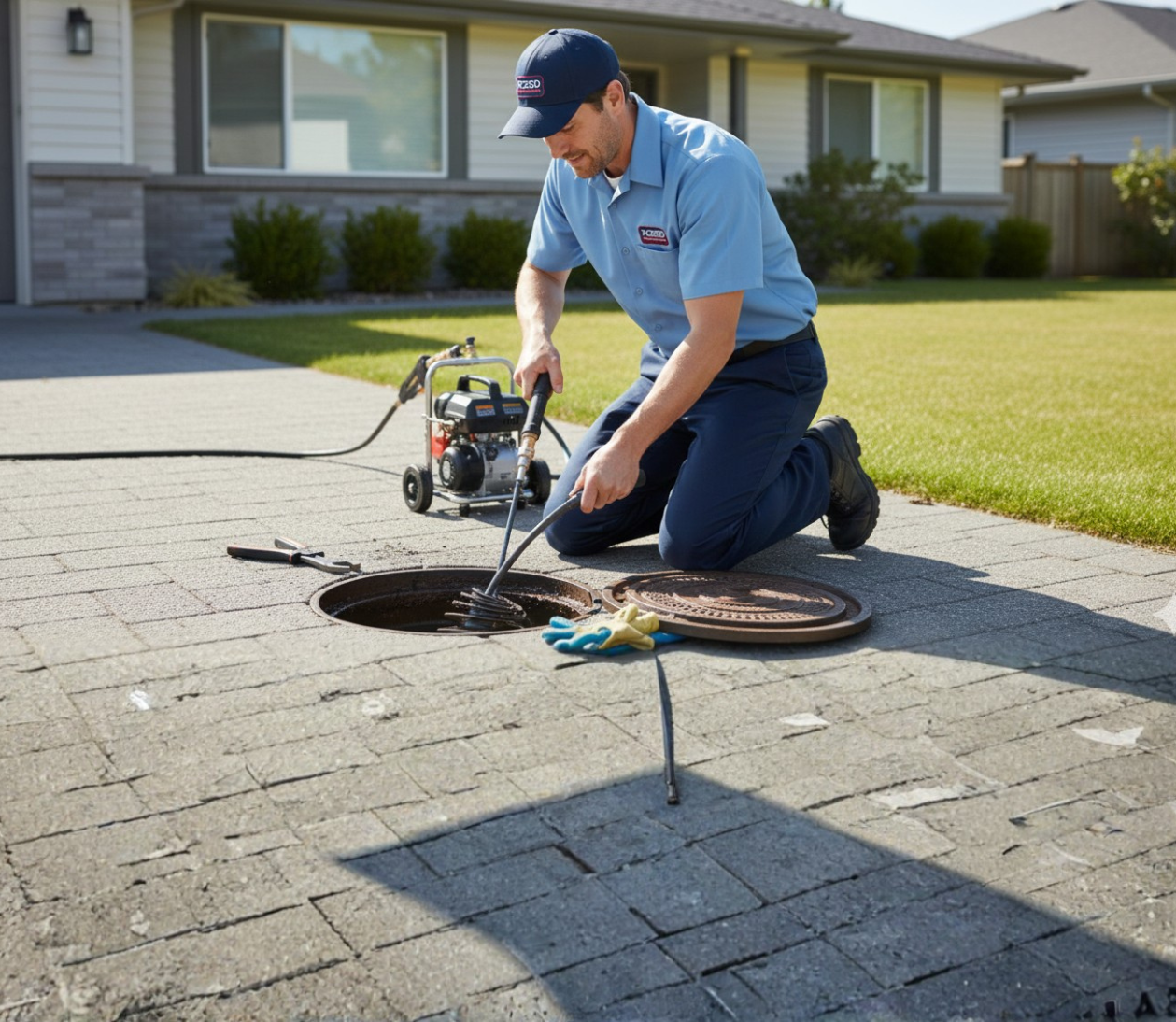
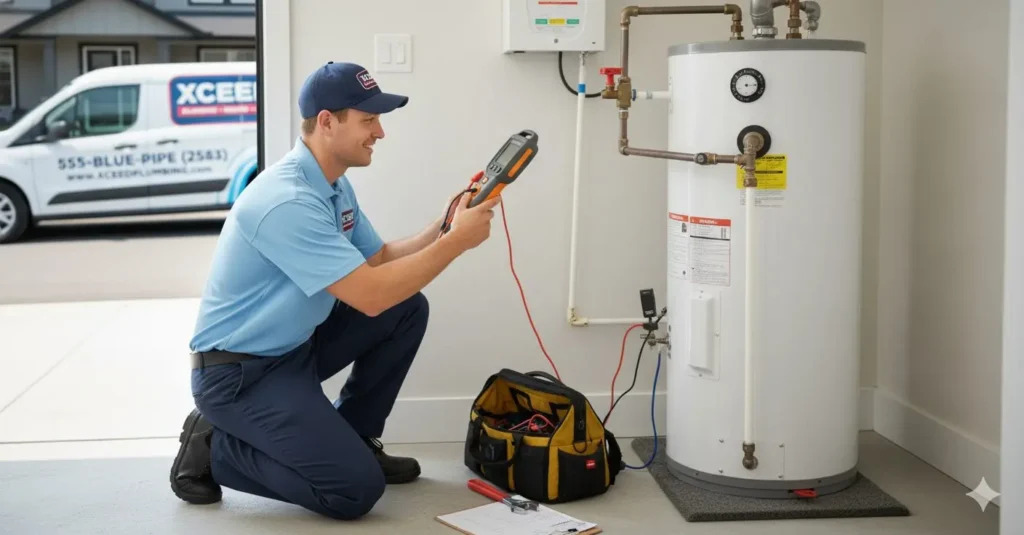
A premium local plumber in Leppington can assess drainage conditions and recommend appropriate cleaning or repair methods. Depending on the issue, professionals may use drain inspection cameras, mechanical cleaning equipment, or high-pressure water jetting.
2. Leaking Taps and Plumbing Fixtures
A dripping tap may appear insignificant, but continuous water leakage can increase household water consumption over time. Leaks may develop in kitchen taps, bathroom fixtures, shower fittings, and outdoor connections.
Common Causes of Leaking Taps
Tap leaks often result from worn washers, deteriorating seals, damaged cartridges, corrosion, or loose connections.
Modern mixer taps may require different replacement components from traditional compression taps. Identifying the correct mechanism is essential for effective repair.
Why Should Small Leaks Be Repaired Early?
Even a minor leak can contribute to unnecessary water consumption and moisture damage around cabinetry, benchtops, and walls.
Homeowners should periodically inspect visible connections and watch for damp areas beneath sinks. If tightening an accessible fitting doesn’t resolve the problem, you may need professional help. Xceed Plumbing provides general plumbing repairs, including assistance with leaking taps, fixtures, and related water supply problems.
3. Low Water Pressure Throughout the Home
Low water pressure can make everyday activities frustrating, especially when showering, washing dishes, or operating appliances.
Homeowners can begin by checking whether the issue affects hot water, cold water, or both. If only one tap has poor flow, the problem may involve its aerator or internal mechanism. Reduced pressure throughout the property could indicate a broader plumbing issue. A professional inspection is especially important if pressure drops suddenly or is accompanied by unexplained moisture or water usage.
4. Hot Water System Breakdowns
A functioning hot water system is essential for bathing, cleaning, and other household activities. When the system stops working correctly, occupants may experience inconsistent temperatures, reduced water flow, or a complete loss of heated water.
Common Hot Water Problems
Typical warning signs include:
- Water taking longer than usual to reach the desired temperature.
- Unusual noises coming from the hot water unit.
- Water leaking around the storage tank or connected pipework.
- Fluctuating temperatures during showers.
- Discoloured water or an unusual smell.
- A noticeable reduction in available hot water.
When Is Professional Hot Water Repair Necessary?
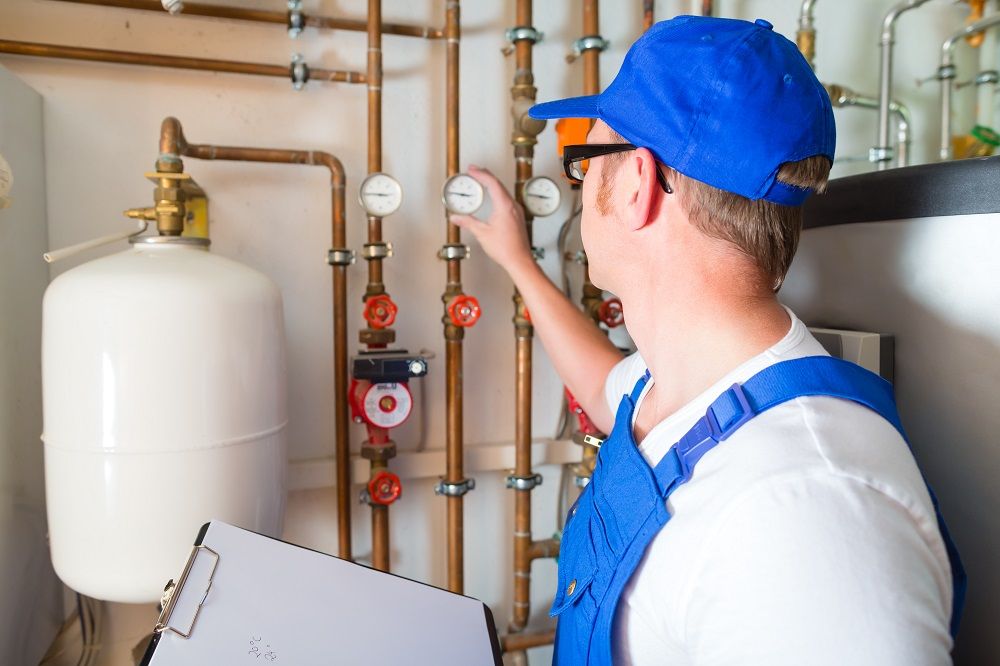
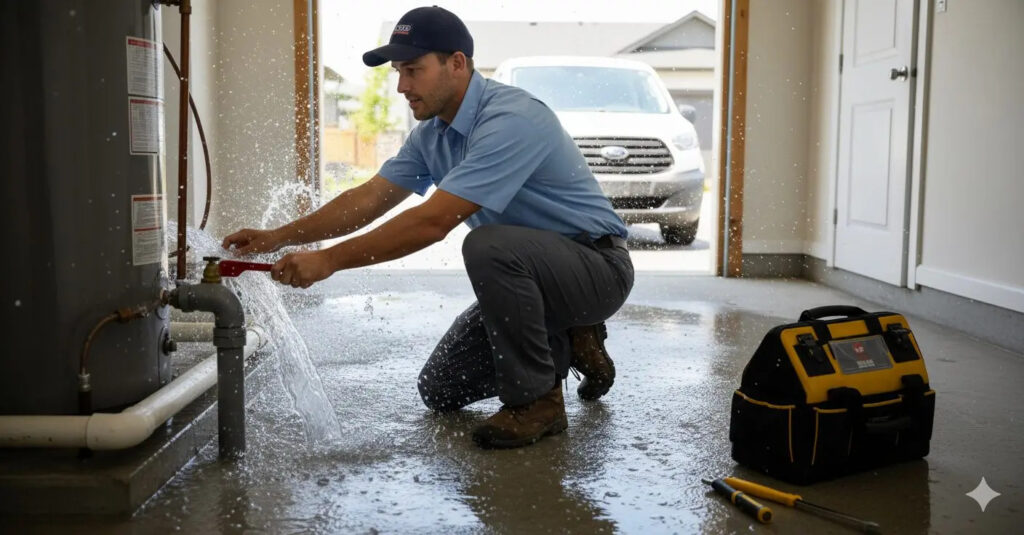
Hot water faults can involve plumbing connections, heating components, thermostats, pressure-control valves, or gas-related equipment.
Because these systems may involve electricity, gas and high-temperature water, repairs should be carried out by appropriately qualified professionals.
Routine inspection and maintenance, in accordance with the manufacturer’s instructions, can help identify deteriorating components before they lead to unexpected breakdowns.
5. Running Toilets and Flushing Problems
A toilet that continues running after flushing can waste substantial amounts of water. Other common issues include weak flushing, recurring blockages, slow tank refilling, and leaks around the base.
Why Does a Toilet Keep Running?
A continuously running toilet may have a worn flush-valve seal, a malfunctioning inlet valve, an incorrect float adjustment, or damaged internal components.
Some faults are relatively straightforward to identify, while others require removing or replacing internal mechanisms.
What Are the Signs of a Serious Toilet Problem?
Homeowners should investigate when water collects around the toilet base, flushing becomes unreliable, or wastewater begins backing up.
Leaks near flooring and wall connections may indicate problems beyond the cistern itself. An experienced Leppington plumber can help determine whether the toilet needs component replacement, drain clearing, or more extensive repairs.
6. Hidden Water Leaks Behind Walls and Under Floors
Not every plumbing leak is immediately visible. Water can escape from concealed pipes and gradually affect flooring, internal walls, ceilings, and surrounding building materials.
Early Signs of Hidden Plumbing Leaks
Possible indicators include persistent damp patches, peeling paint, unusual musty smells, unexplained increases in water bills, or mould growth.
Another warning sign is a water meter that continues registering usage when all fixtures and appliances are turned off.
How Are Hidden Leaks Located?
Professional leak detection may involve acoustic equipment, moisture measurements, pressure testing, and other diagnostic methods.
These techniques help narrow down the possible source without unnecessary exploratory damage.
Prompt investigation is important because prolonged moisture exposure can damage structural materials and create conditions that encourage mould growth.
7. Burst Pipes and Emergency Plumbing Problems
Burst pipes can cause extensive water damage quickly. They may occur because of deteriorating materials, excessive pressure, accidental impact, or defective pipe connections.
Major leaks, sewage overflows, burst pipes, and serious hot water system failures may require urgent professional attention. Searching for a 24/7 plumber in Leppington can help homeowners identify providers that advertise emergency availability.
For gas-related emergencies, avoid operating electrical switches or creating ignition sources. Leave the affected area and contact the appropriate gas emergency service from a safe location.
8. Sewer Line Damage and Tree Root Intrusion
Underground drainage pipes may become damaged by ground movement, ageing materials, improper installation, or surrounding vegetation.
Tree roots can enter existing cracks and pipe joints in search of moisture. As roots grow, they may restrict drainage and contribute to repeated blockages.
What Are the Warning Signs of Sewer Problems?
Multiple drains becoming blocked at the same time, persistent sewage odours, wastewater backups, and unusually damp areas around the property may indicate a deeper drainage issue.
How Are Damaged Sewer Pipes Repaired?
Depending on the pipe’s location and condition, professionals may recommend mechanical root removal, drain cleaning, pipe relining, or replacement.
A camera inspection can provide valuable information about pipe condition before selecting a repair method.
9. Plumbing Issues That Can Affect Newly Built Homes
Newer properties are not automatically free from plumbing problems. Residential development can introduce challenges associated with installation quality, pipe connections, drainage design, and building settlement.
Common Problems in New Residential Properties
Potential issues include loose fittings, poorly graded drains, inadequate sealing, and debris left inside drainage lines during construction. Some problems become noticeable only after Leppington homeowners use the plumbing system regularly.
Why Are Early Plumbing Inspections Important?
An inspection can help homeowners assess drainage performance, check exposed pipe connections, and identify potential maintenance concerns.
New homeowners should also understand the location of their main water shut-off valve, hot water system controls, and accessible inspection points.
These simple preparations can make responding to future plumbing incidents easier.
When Should a Professional Plumbing Inspection Be Scheduled?
No universal inspection interval fits every property. The appropriate frequency depends on the plumbing system’s age, condition, usage, and previous repair history.
Homes experiencing repeated blockages, pressure changes, or unexplained leaks may benefit from targeted professional assessment.
When comparing providers, homeowners searching for the best plumber in Leppington should consider relevant licensing, practical experience, transparent quotes and suitability for the required repairs.
Frequently Asked Questions
What is the most common plumbing problem in residential homes?
Blocked drains, leaking taps, running toilets, and hot water faults are common residential plumbing concerns. How often each problem occurs depends on the property’s age, plumbing condition, household habits, and maintenance history.
How do I know whether a water leak is hidden inside a wall?
Unexplained damp patches, peeling paint, musty smells, and increasing water bills may indicate concealed water leaks. A qualified plumber can use appropriate diagnostic equipment to investigate suspected pipe damage and recommend suitable repairs.
Is low water pressure always caused by damaged pipes?
No. Low water pressure may result from blocked tap aerators, partially closed valves, fixture faults, water supply interruptions, or concealed leaks. Checking whether the problem affects one fixture or the entire property can help narrow down possible causes.
Can plumbing problems occur in newly constructed homes?
Yes. New homes can experience drainage blockages, loose fittings, installation defects, and issues caused by construction debris. Early inspections and timely reporting of defects can help prevent minor concerns from becoming more expensive repairs.
How can I find a reliable plumbing professional in Leppington?
Start by checking relevant licensing, insurance, service experience, customer feedback, and quotation transparency. A search for plumber services in Leppington may identify nearby providers, but homeowners should verify qualifications and suitability before booking.
Conclusion
Understanding common plumbing problems is an important part of maintaining a safe, efficient, and comfortable home. Blocked drains, hidden leaks, hot water failures, and damaged sewer pipes can affect properties of different ages and construction types. Consulting an effective plumber in Leppington can help homeowners catch these issues early and maintain their plumbing systems.
Need professional plumbing assistance? Get directions to Xceed Plumbing and explore local plumbing services for residential repairs and maintenance.