


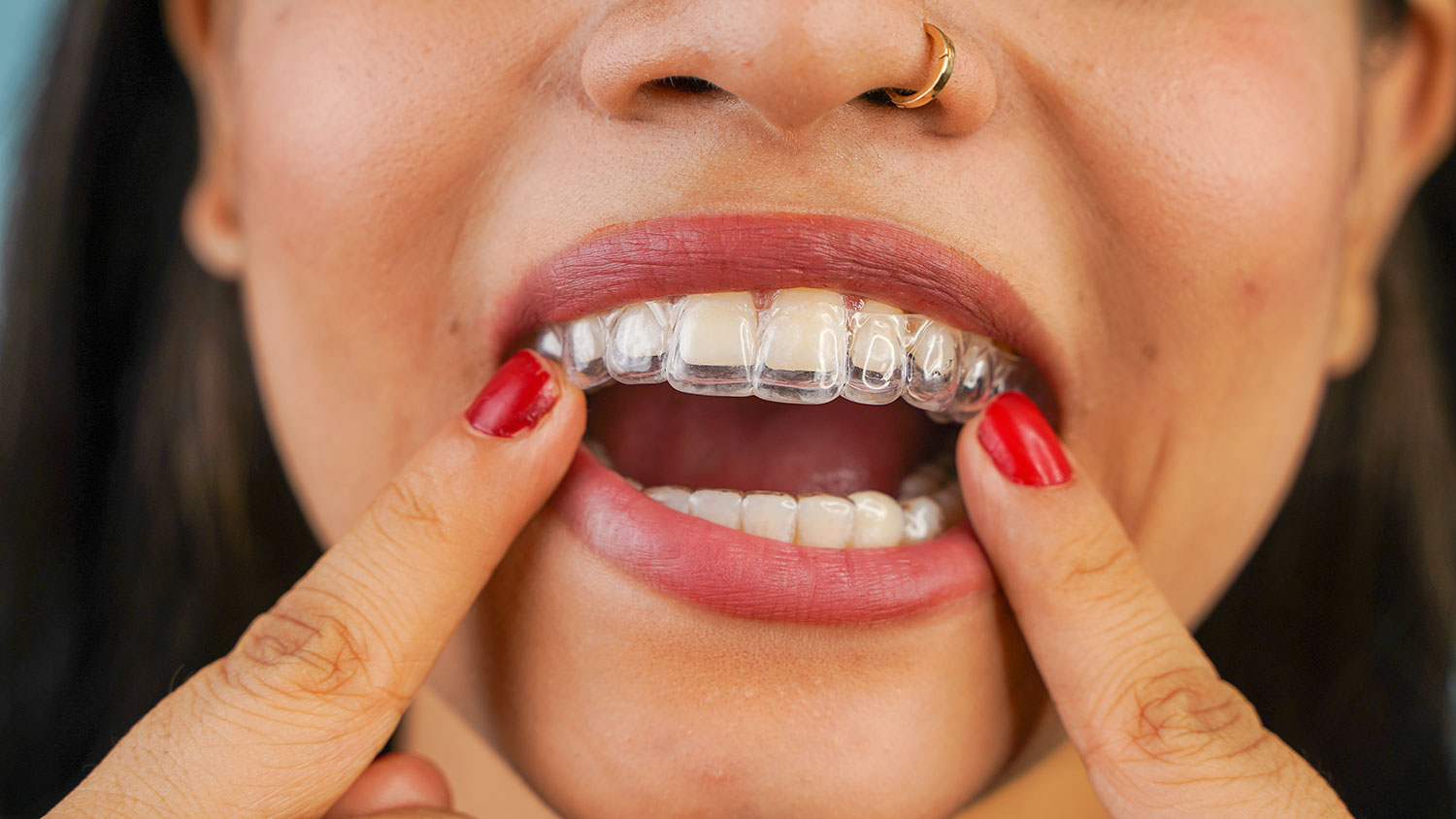
Starting Invisalign often feels straightforward: receive a series of aligners, wear each set as instructed, and watch the teeth gradually move. In reality, every smile responds differently. Teeth do not always move at exactly the same speed or follow every projected movement perfectly.
Table of Contents
- What Are Invisalign Refinement Aligners?
- Why Don’t Teeth Always Move as Predicted?
- How Does Daily Wear Time Affect Progress?
- What Does It Mean When Teeth Stop Tracking?
- Why Are Attachments Sometimes Needed?
- Can Skipping Appointments Lead to More Refinements?
- How Is the Need for Refinements Identified?
- Do Refinements Mean Invisalign Has Failed?
- How Long Do Refinements Take?
- Can Patients Reduce the Chance of Needing Extra Aligners?
- What Happens After the Refinement Phase?
- Frequently Asked Questions
When the teeth need further adjustment after the initial series, a dentist may recommend refinement aligners. These additional trays help address small spaces, rotations, bite concerns, or other details that remain after the first phase.
Needing refinements does not automatically mean treatment has failed. They are often part of creating a balanced and functional result. Patients considering Invisalign in Agoura Hills should understand that the original number of trays is an estimate based on digital planning. Regular monitoring allows the dentist to respond to the way the teeth actually move.
What Are Invisalign Refinement Aligners?
Invisalign refinement aligners are additional custom trays provided after a patient completes an initial aligner series. They are created to improve tooth positions that have not fully reached the goals established at the beginning of treatment.
The dentist normally examines the patient’s teeth and compares their current positions with the intended result. A new scan may then be taken to create another sequence of aligners.
A refinement series might contain only a few trays, or it could extend treatment for several months. The number depends on how much movement remains and how the teeth have responded so far.
Why Don’t Teeth Always Move as Predicted?
Digital planning provides a detailed model of how teeth are expected to shift. However, software cannot completely predict every biological response.
Teeth move as the surrounding bone and supporting tissues adapt to controlled pressure. Factors such as root shape, bone density, age, bite forces, and the type of movement required can influence the pace of progress.
Some movements are naturally more challenging than others. Rotating a rounded tooth, moving a tooth vertically, or correcting a complex bite may require more time and control. Even with excellent cooperation, the actual response can differ slightly from the original projection.
This is why regular examinations remain important throughout clear aligner treatment. They allow the dentist to assess real progress instead of relying only on the initial simulation.

How Does Daily Wear Time Affect Progress?
Removable aligners can be convenient, but they only work while they are being worn. Patients are commonly instructed to keep them in place for approximately 20 to 22 hours each day, removing them for meals, most beverages, brushing, and flossing.
Frequently leaving the trays out for extended periods can slow movement. The teeth may not be ready for the next set when the patient changes aligners, leading to gaps between the tray and tooth.
Inconsistent use can also allow teeth to shift slightly backward between wear periods. Over several weeks, these small changes may cause the patient’s progress to differ from the original schedule.
Patients should follow the wear instructions provided by their dentist. If an aligner stops fitting correctly, it is better to contact the dental office than to move ahead without guidance.
What Does It Mean When Teeth Stop Tracking?
Aligner tracking describes how closely the teeth follow the positions built into each tray. When the aligners fit properly, they should generally sit snugly over the teeth.
A tracking issue may appear as:
- A visible space between an aligner and a tooth
- A tray that rocks or lifts in one area
- An attachment that no longer fits into its matching space
- A tooth that appears behind the planned position
- Increasing difficulty placing each new aligner
- A bite that feels noticeably different from what was expected
Not every small space signals a major problem. A recently inserted tray may take time to settle fully. However, a gap that remains or increases should be assessed before the patient continues through the series.
Why Are Attachments Sometimes Needed?
Invisalign attachments are small tooth-colored shapes bonded to selected teeth. They give the aligners additional grip and help direct force more precisely.
Attachments may assist with movements such as rotation, controlled tipping, or bringing a tooth farther into alignment. Their shape and location are planned according to the movement required.
An attachment can occasionally loosen or fall off. If this happens, the aligner may lose some control over that tooth. The dentist can determine whether the attachment needs to be replaced immediately or at a future visit.
Some refinement plans involve adding, removing, or changing attachments. This does not necessarily indicate a problem; it may simply reflect the needs of the next treatment phase.
Can Skipping Appointments Lead to More Refinements?
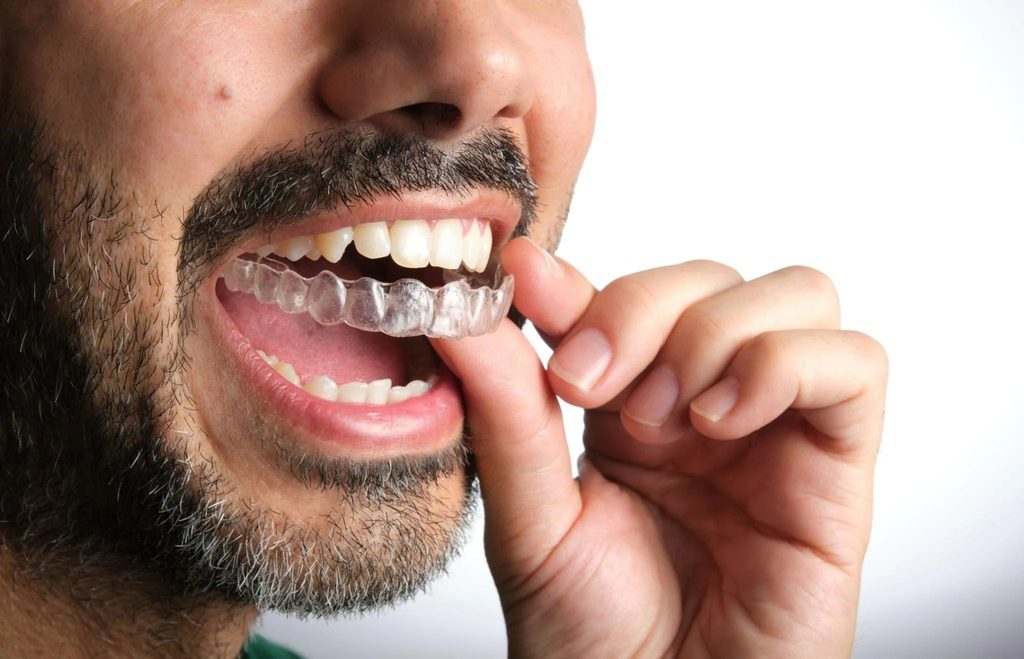
Progress appointments provide an opportunity to identify concerns before they affect several sets of trays. The dentist can check the fit, evaluate the bite, inspect the gums, and confirm that the teeth are moving safely.
If appointments are repeatedly delayed, a minor tracking concern may go unnoticed. The patient might continue changing trays even though one or more teeth are no longer following the planned sequence.
A refinement could still be needed even when every appointment is attended. However, regular monitoring gives the dental team a better chance to adjust the schedule or provide guidance before the difference becomes greater.
How Is the Need for Refinements Identified?
As the initial series approaches completion, the dentist examines the smile from both cosmetic and functional perspectives. Straight-looking front teeth do not always mean treatment is complete. The bite must also be stable and comfortable.
The evaluation may include checking:
- Remaining spaces
- Tooth rotations
- Midline position
- Contact between upper and lower teeth
- The fit of the final aligners
- Gum and enamel health
- The patient’s original treatment goals
A new digital dental scan may be taken if further movement is needed. This scan records the current tooth positions and supports the creation of the refinement trays.
The updated series is based on where the teeth are now rather than where the first plan predicted they would be.
Do Refinements Mean Invisalign Has Failed?
Refinements are better understood as an adjustment to the treatment plan. Orthodontic care involves biological movement, and some degree of variation is normal.
The initial Invisalign treatment plan gives the dentist and patient a structured path to follow. Refinements allow that path to be updated when the teeth respond differently or when small finishing changes become necessary.
They may also be requested when the patient and dentist agree that the result can be improved further. For example, the teeth may be noticeably straighter while a minor space or rotation remains.
A successful outcome should be judged by the final health, alignment, and function of the smile—not solely by whether extra trays were required.

Patient cooperation, careful monitoring, and timely adjustments all contribute to the final result. Agoura Advanced Dentistry can assess aligner fit, tooth movement, and bite development before determining whether refinements are appropriate.
How Long Do Refinements Take?
The length of a refinement phase depends on the number and difficulty of the remaining movements. A small correction may need only a short series, while bite changes or challenging rotations can take longer.
After the updated scan, there may also be a waiting period while the new aligners are prepared. Patients are generally advised to continue wearing their current trays during this time to help maintain tooth positions.
Refinements can extend the original timeline, so treatment estimates should not be viewed as guarantees. Following wear instructions and attending scheduled appointments can help reduce avoidable delays.
Can Patients Reduce the Chance of Needing Extra Aligners?
There is no way to guarantee that refinements will not be required. However, patients can support consistent progress by:
- Wearing the aligners for the recommended daily time
- Changing trays only according to the provided schedule
- Seating each aligner correctly
- Keeping appointments
- Reporting loose attachments
- Contacting the dentist when a tray does not fit
- Storing aligners safely when removed
- Maintaining healthy teeth and gums
- Avoiding skipped trays
- Following instructions about elastics or other accessories
These habits cannot control every biological factor, but they give the treatment plan the best opportunity to progress as intended.
What Happens After the Refinement Phase?
When the dentist confirms that active movement is complete, the focus changes from moving the teeth to maintaining their new positions. Invisalign retainers or another type of orthodontic retainer may be recommended. Retainers are important because teeth naturally have a tendency to shift after treatment. The risk of movement does not disappear simply because the final aligner has been completed.
The dentist will explain when and how long the retainers should be worn. Following these instructions helps protect the time and effort invested in treatment.
Frequently Asked Questions
Is it normal to need Invisalign refinements?
Yes, refinements are a common way to complete movements that remain after the first aligner series. Whether they are needed depends on the treatment’s complexity and how the teeth respond.
Do refinement aligners feel different?
They are similar to the original aligners. Patients may feel pressure when beginning a new refinement tray, particularly around teeth receiving additional movement.
Will I need another scan?
A new scan is commonly taken to record the current positions of the teeth. It allows the next series to be created from the patient’s actual progress.
Are refinements included in the original cost?
This depends on the treatment package and the dental practice’s policy. Patients should ask whether the quoted fee includes scans, additional aligners, appointments, and retainers.
Can I refuse refinement aligners?
Patients can choose whether to continue, but stopping early may leave spaces, rotations, or bite concerns unresolved. The possible effects should be discussed with the treating dentist before making a decision.
What should I do while waiting for the new aligners?
Patients are commonly instructed to continue wearing their most recent trays. Follow the specific directions from the dental office rather than stopping aligner use.
